E-Mail Address:
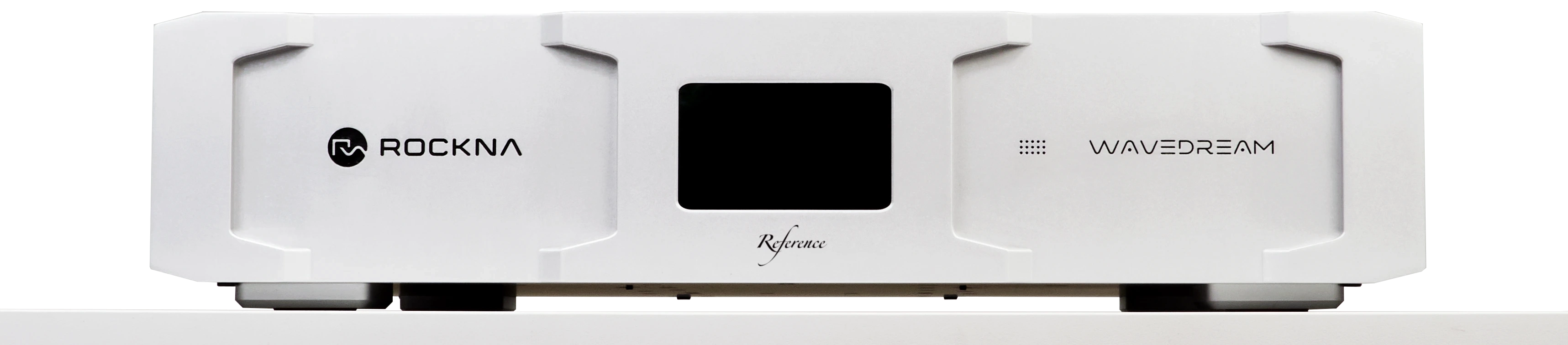
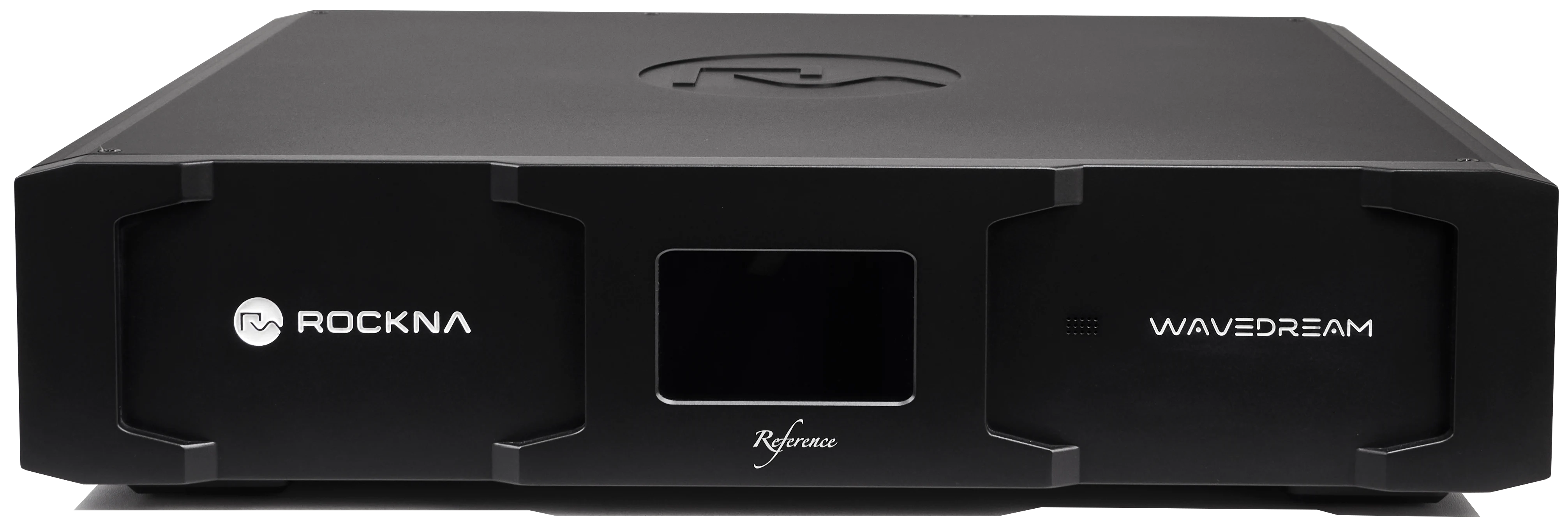
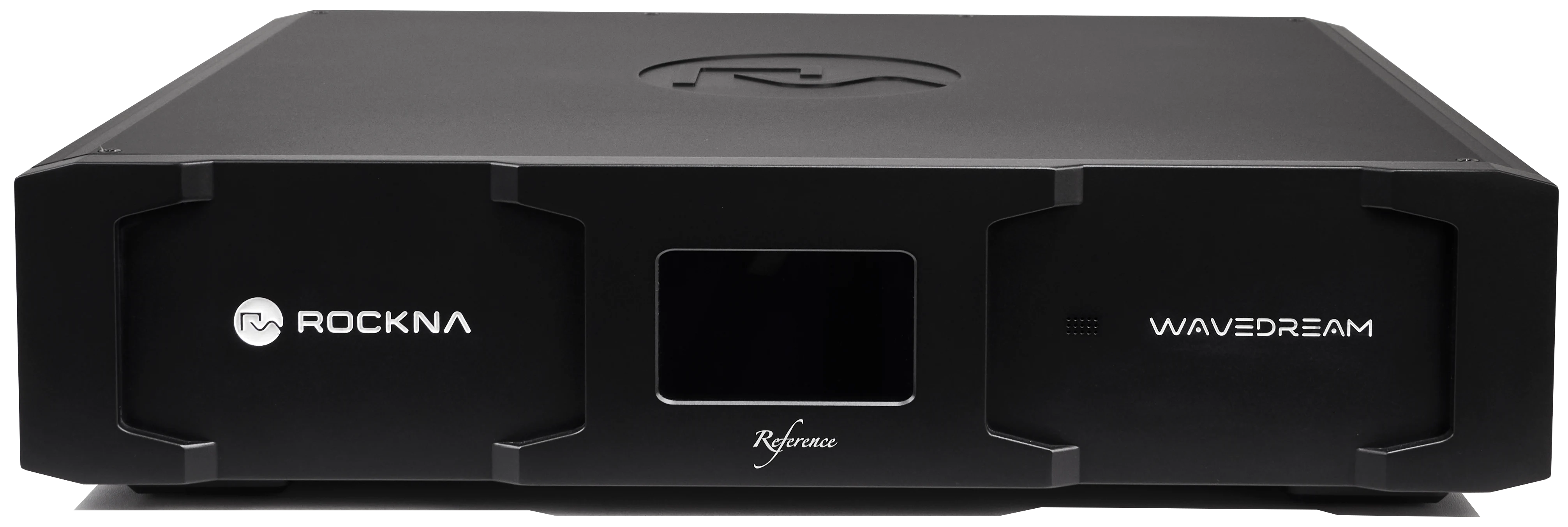
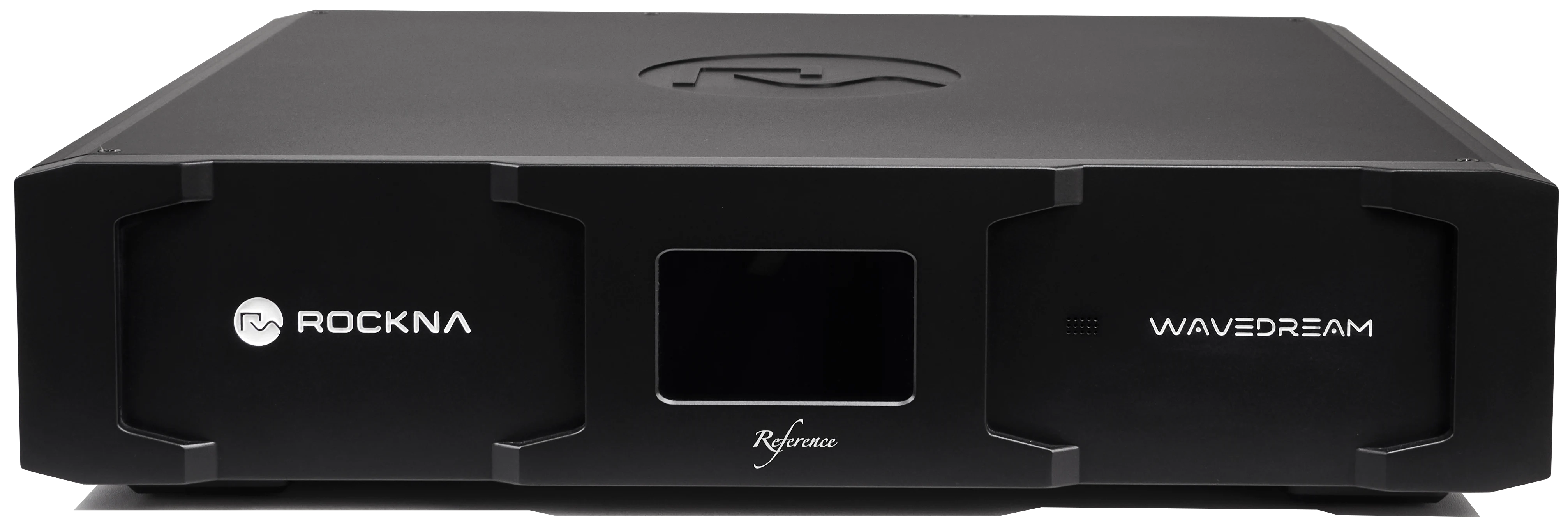
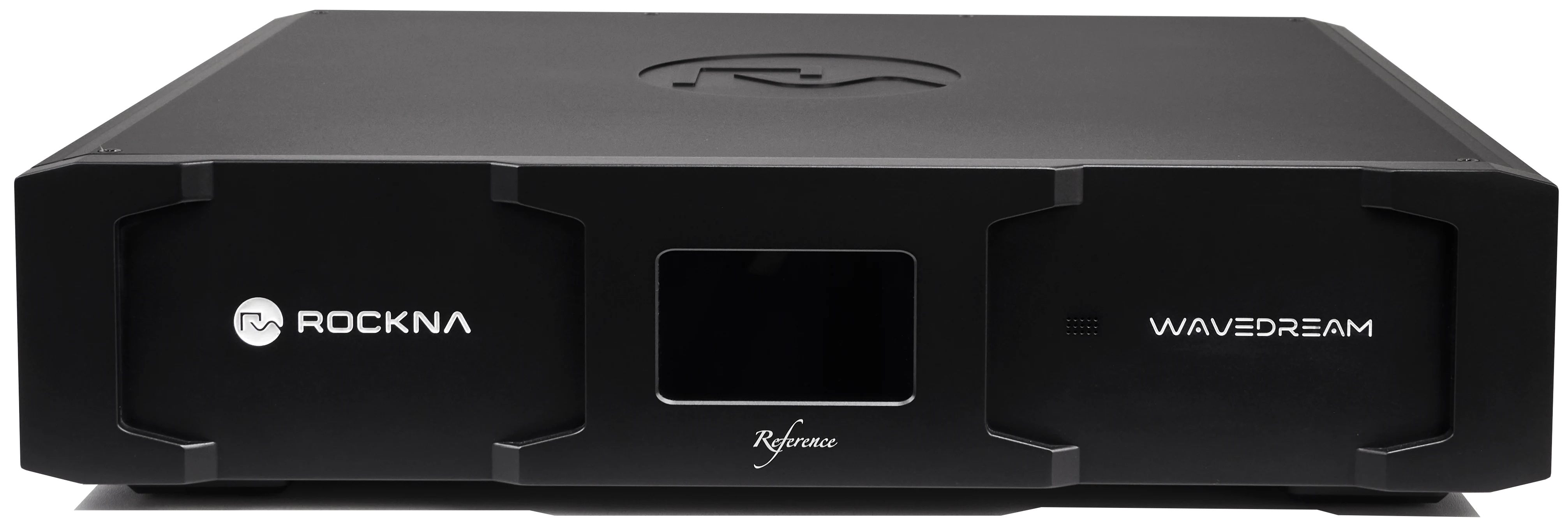
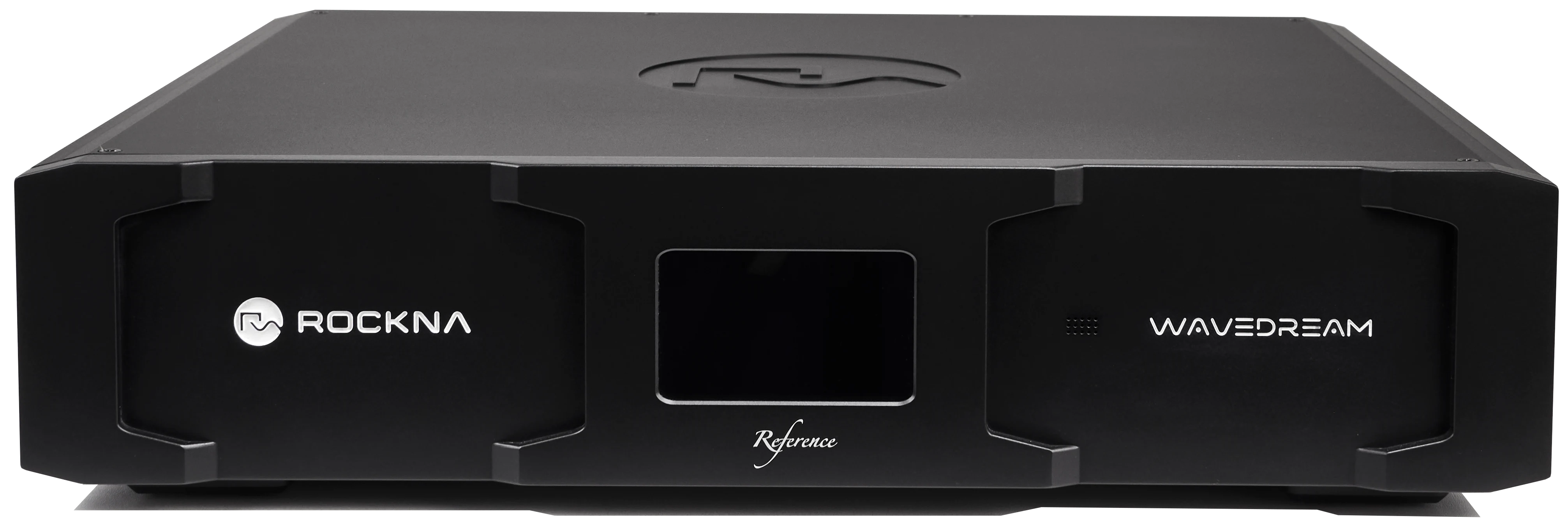
10 years ago, we launched the Wavedream DAC, a device that has defined our identity and left a mark on the discerned audiophile. The Wavedream Reference is more than an evolution of our DAC, it elevates the story of our company and team because it pushes the limits of custom digital to analog conversion through proper engineering, performance, design and sound quality. As a culmination of years of experience and with so many technological advancements, the Reference warranted a complete makeover of the Rockna brand, it is just that special.
Each relevant component or subsystem of the Reference is defined by Rockna proprietary hardware and custom software. We accepted no limitations from off-the-shelf solutions like DAC chips, OEM streaming modules or signal op-amps. As always, we stayed true to our philosophy of presenting products with a high degree of originality and elegant technical solutions.
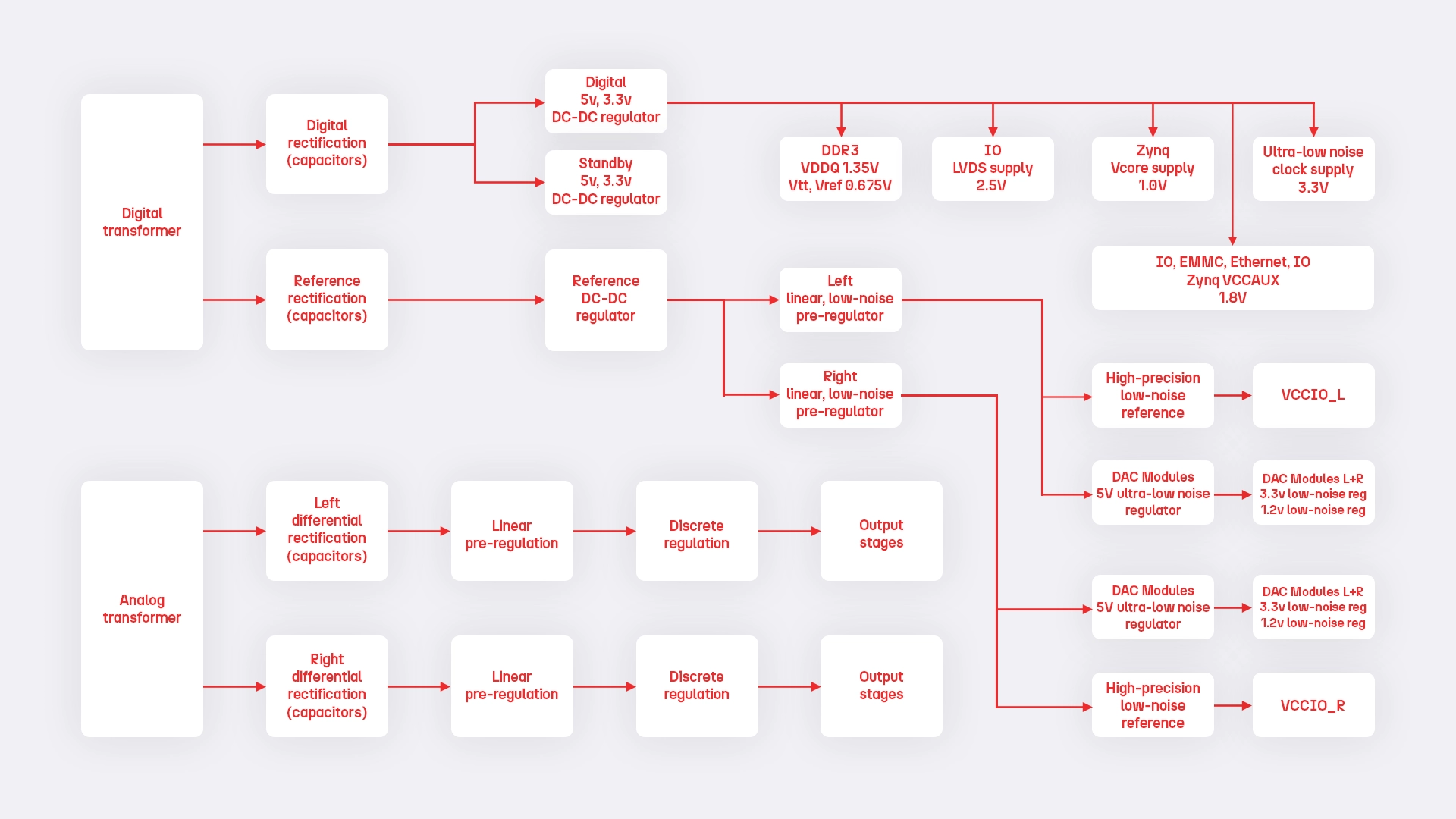
At the heart of the Wavedream Reference is our custom architecture, crafted for the highest level of precision and ultimate refinement in audio reproduction. Our DAC is built upon a highly optimized and efficient AMD/ZYNQ chip for master control/network renderer and 4 FPGAs, one for each phase of the discrete conversion system. The machine runs a Rockna custom tailored Linux system which takes care of everything except audio processing - which is executed by the dedicated hardware blocks.
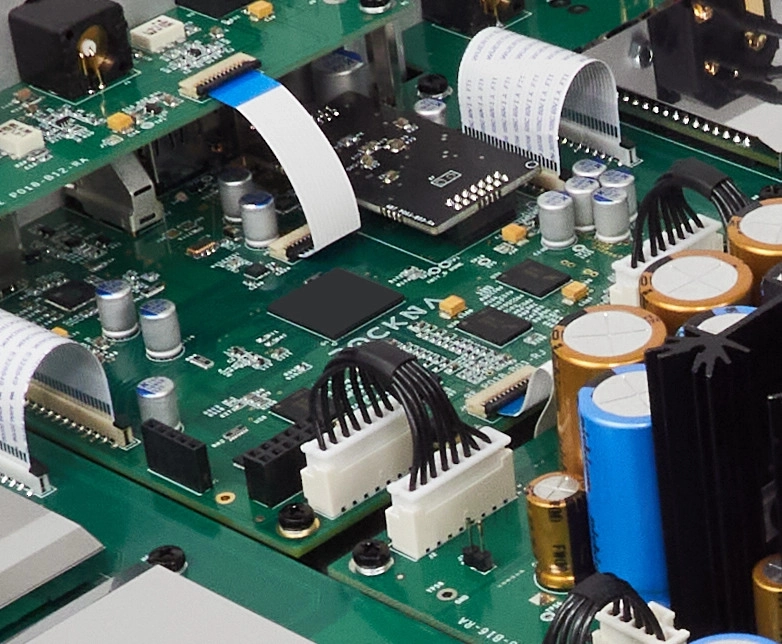
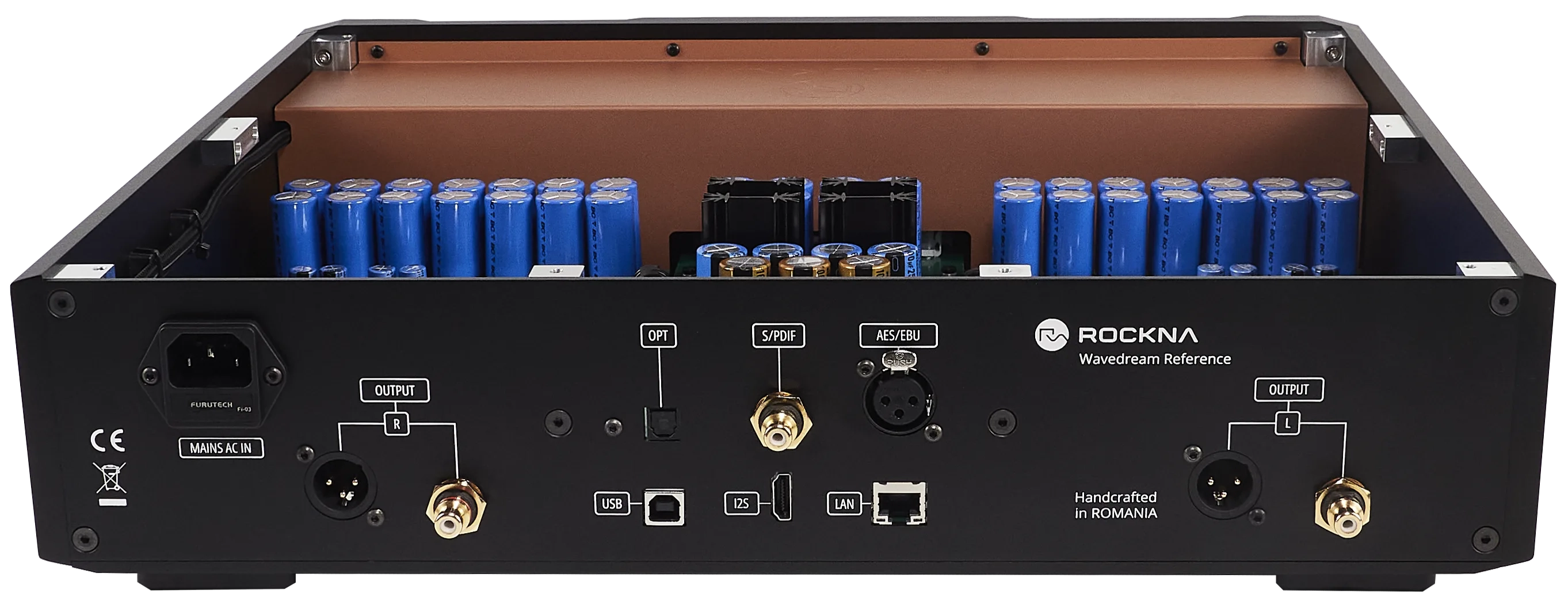
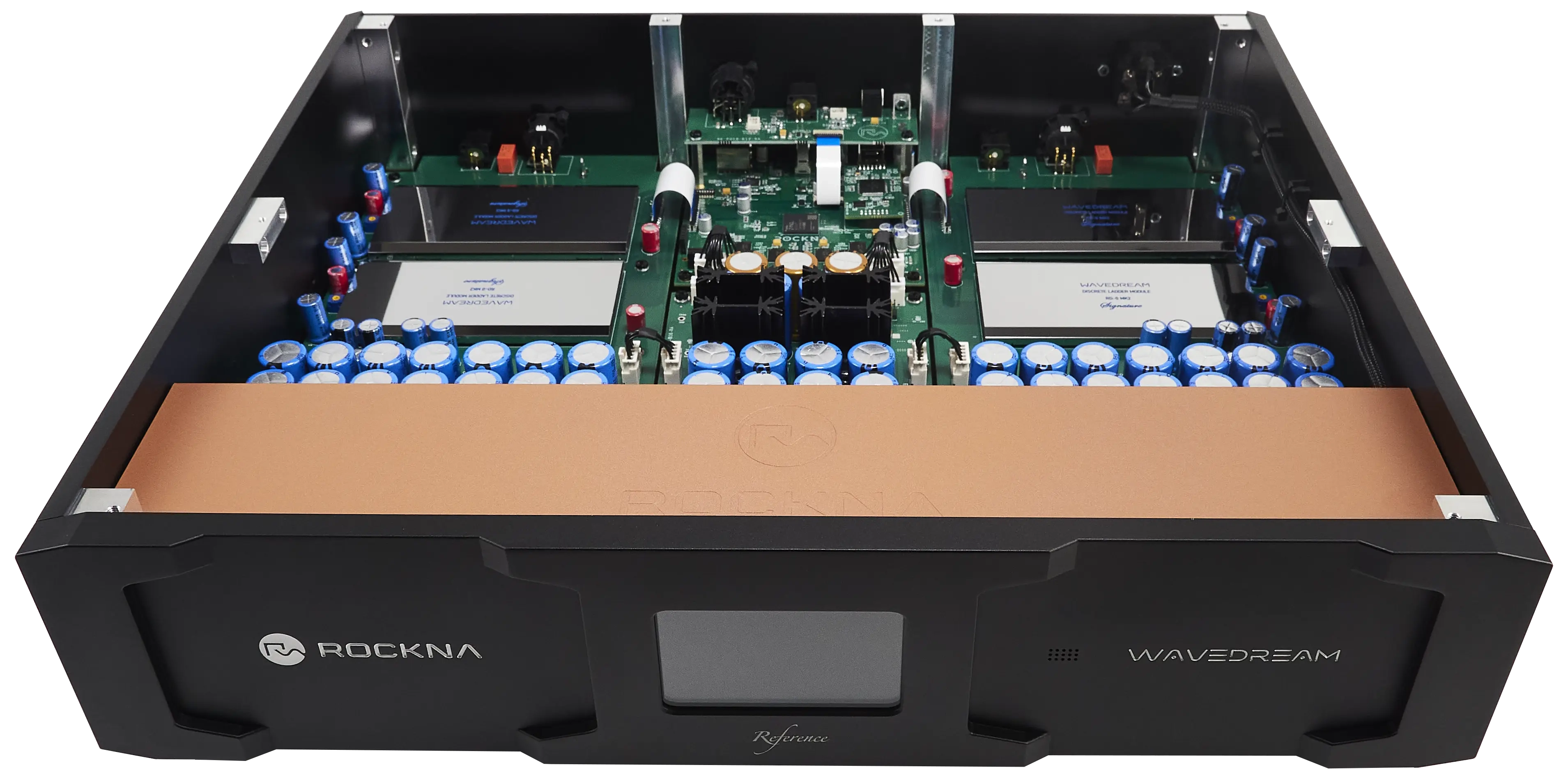
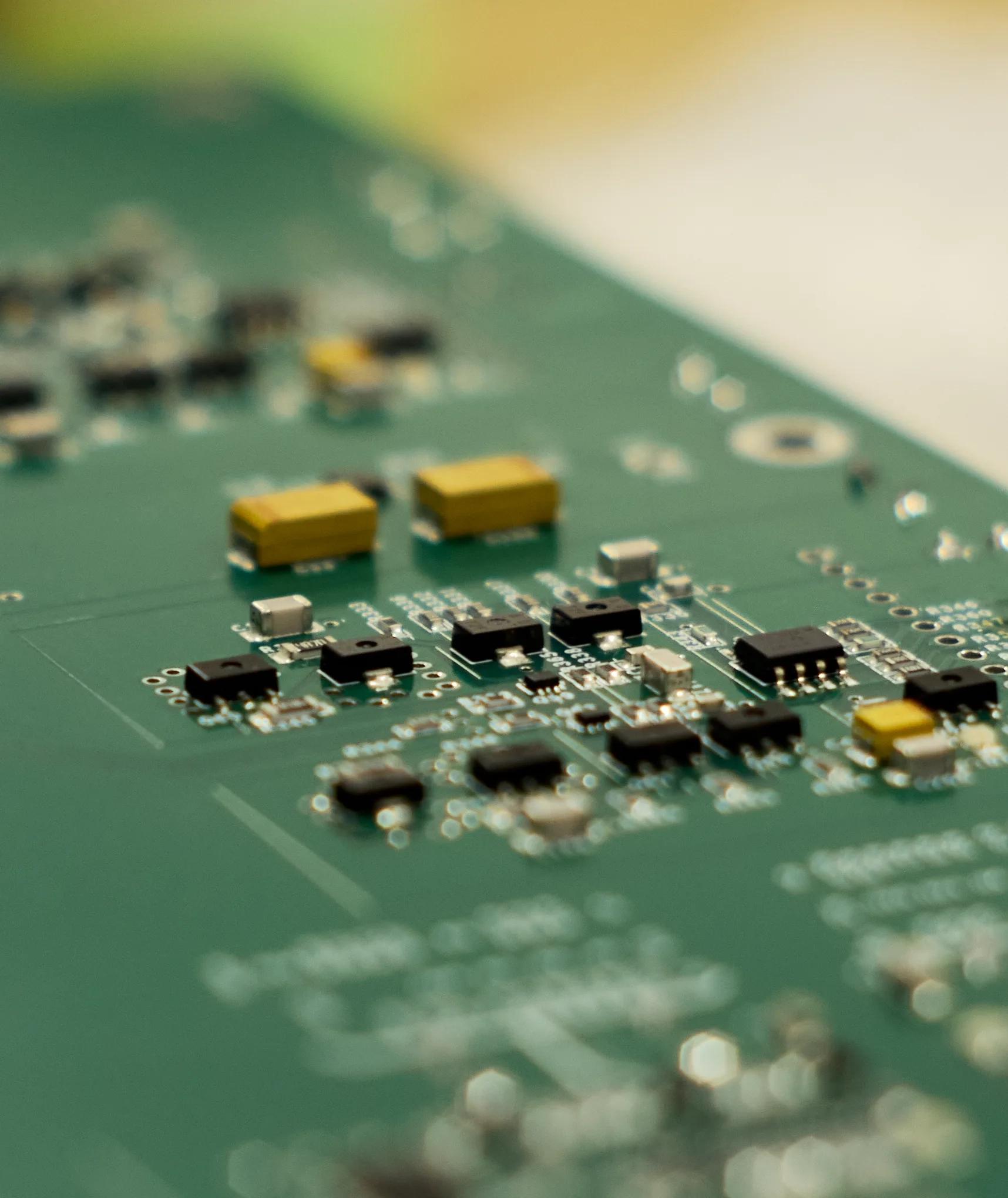
To achieve an elegant internal layout, we designed a 10-layer central core board for the digital front-end processing and the network renderer. A completely new dedicated low noise supply board was developed, as well as new conversion boards placed in a symmetrical configuration, two for each channel. Compared to the classic Wavedream, the design was optimized by shortening the clock and data signal paths and by using higher quality board-to-board connectors. Therefore, signal integrity was significantly improved. Furthermore, the toroid transformers and the display are shielded internally using a copper cage. The analog stages following the D/A conversion modules are hidden on the back of the left and right boards.
The Rockna philosophy for an exceptional DAC is mastering the art of connecting mixed-signal technologies in such a way that the output preserves all the fine nuances of the original recording. Many think the secret is proper digital processing, but that is just one piece of the puzzle. When moving the audio information from digital to analog domain, the clock system plays a critical role in giving a sense of realism, analog sound and creating audio 3D imagery. Most D/A converters take the easy route by relying on the ASRC (acronym for asynchronous sample rate converter) built in the chips they use. While the ASRC may have a sound signature in itself, the quality of the ASRC implemented in DAC chips is affected by cost and silicon real-estate, thus being prone to sound quality degradation.
In the Wavedream Reference we developed one of the most advanced, ASRC-free digital PLL clock solutions which gives the DAC the ability to perform like an analogic source, with a natural sense pf pace and rhythm. Another key element is that digital signals physically travel as high-speed analog signals and they must be treated accordingly. Bits are bits on an abstract level but on pcb traces, connectors, cables they are a succession of high-speed rectangular analog signals which are not perfect: they have rise-time, fall time and they could be plagued by ringing, spikes, reflections, crosstalk, phase noise(jitter) etc. This is why Rockna has perfected radio-frequency techniques to mitigate these issues which have the potential to ruin the pursued analog sound.
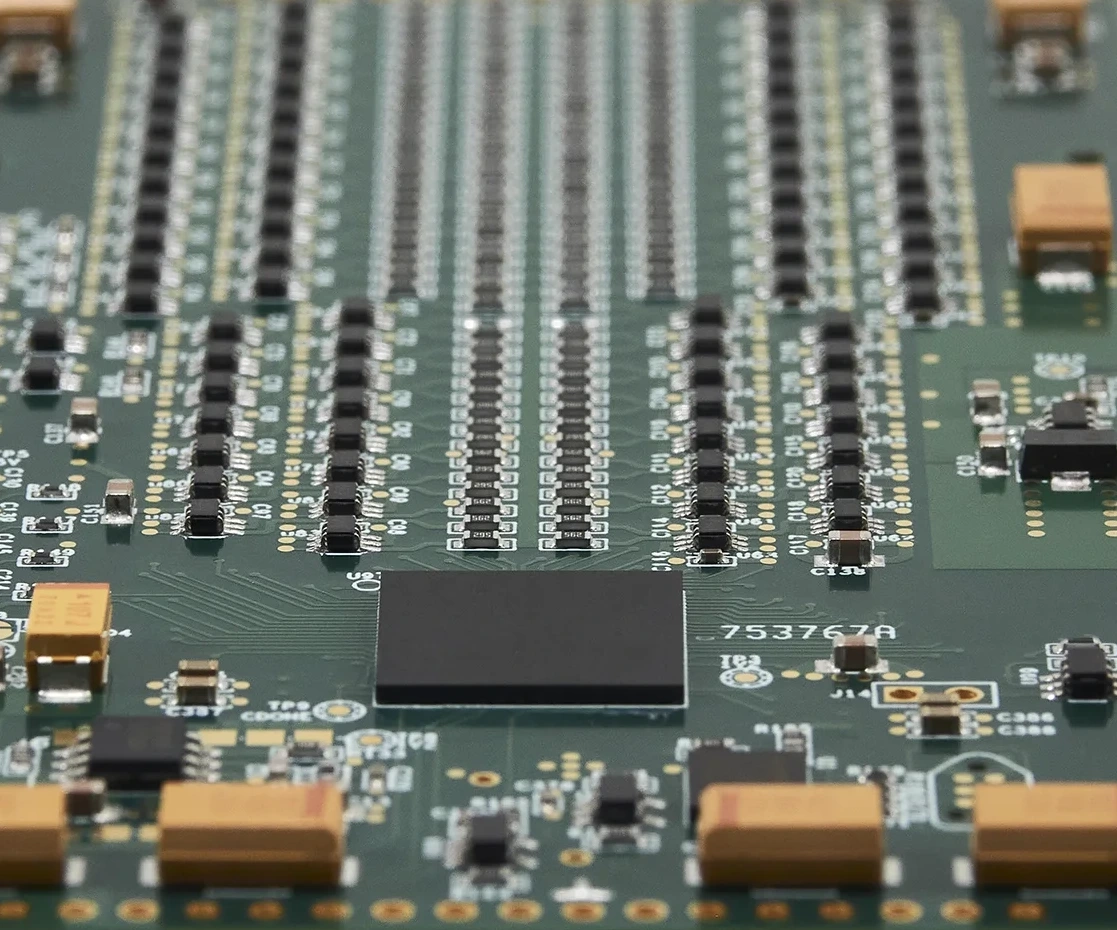

The internal FPGA up-samples any material to a fixed rate of 16x. The DAC modules will decode the digital stream with a rate of 768Khz, or 705.6Khz, respectively, according to input sample rate. We found this rate to be optimal for analog performance of the DAC modules. Behind this simple multiplication factor lies significant processing power. The digital filters are made with the combined effort of multiple DSP blocks working in parallel.
After lots of mathematical simulations and careful listening tests, we have created a custom Parks-McClellan up-sampling filter. There are three variations available : linear, minimum and hybrid phase. They are highly optimized filters, offering stunning performance with a large number of taps, offering excellent filtering capabilities, and they are different in regard of impulse response. For the linear phase, the ringing energy (Gibb’s overshoot) is equally split before and after impulse. Minimum phase type shows all this energy after impulse, while our special hybrid phase filter has a combined response between linear and minimum, exhibiting very low overshoot before the impulse.